When Reverse Phone Lookup Helps You Avoid Costly Scams
Scam calls do not show up on your phone with a big warning label. They show up as a local number, a fake bank alert, an urgent delivery problem, or a recorded message saying you must act right now. All of that pressure is there for one reason: to push you into a quick choice before you have time to think.
We get more of these calls when life is already busy. Around tax time, when people are waiting on refund news, scam calls about the IRS or unpaid taxes pop up. When families are planning graduations or summer trips, fake offers, surprise fees, and travel deals start to ring through. That is exactly when a simple reverse phone lookup can help. By checking who is really behind a number, we can slow things down, double-check the story, and keep our money and information safe.
Stop Phone Scammers Before They Drain Your Wallet
A typical scam call follows the same pattern. The caller says there is a problem or a prize. There is always a timer in the background. Pay a fee, confirm a code, give your card number, or the deal is gone or the trouble gets worse.
Scammers like seasons when our phones are already busy. Around spring tax deadlines, fake tax agents call about unpaid bills or surprise refunds. When the weather warms up and people in many areas start planning graduations, vacations, and home projects, offers about student loans, travel deals, and rental properties show up more often. It feels normal to get these calls, which makes them easier to believe.
This is where a quick reverse phone lookup can help us slow down. Instead of guessing, we can:
- Drop the number into a search box
- See if there are reports of scams or spam
- Check if the caller type matches the story they told
- Decide if we want to pick up, call back, or block the number
Our goal is simple: make it easy for anyone to check an unknown number before sharing money or personal details.
Common Phone Scams Costing Americans Thousands
Even though scammers change their stories, many calls fall into a few common types. Knowing these can make it easier to spot trouble early.
Some of the most common scam calls include:
- IRS or tax imposters claiming you owe back taxes or need to verify a refund
- Fake delivery or package issues asking you to pay a fee or click a link
- Tech support calls saying your computer or phone is infected
- Student loan or scholarship offers that ask for upfront payments
- Romance or investment calls that slowly push you to send money
- Grandparent or family emergency calls asking for quick cash for bail, tickets, or medical help
Scammers love timing. Near tax deadlines, they push tax stories. As summer gets close, they move to travel, vacation rentals, and flight changes. Around graduations, they call about student loans, grants, and new credit offers.
Even though the stories change, the red flags look alike:
- High pressure, like "right now" or "today only"
- Demands for payment with gift cards, wire transfers, or payment apps
- Requests for sensitive info like Social Security numbers or bank logins
- Caller ID that looks local or shows a company name that does not match the real number
When we spot even one of these signs, it is smart to stop and check the number before doing anything else.
How Reverse Phone Lookup Exposes Red Flags Fast
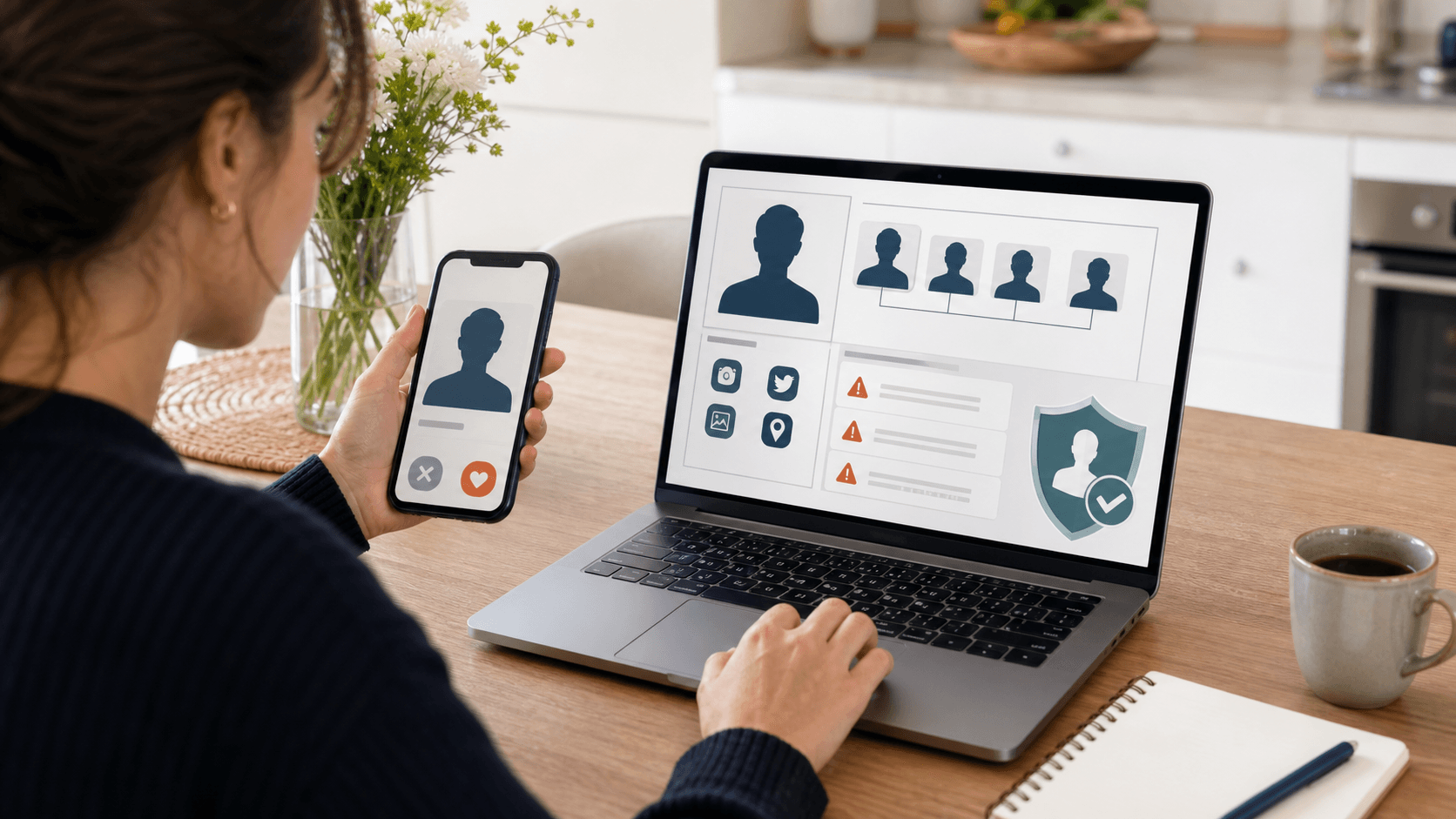
A reverse phone lookup is simple. Instead of starting with a name and getting a number, we start with a number and see what public information is tied to it. That can include the owner name when available, the general location, the carrier type like mobile or VoIP, and any linked online activity or complaint history.
This matters because the caller's story should match the number. If someone claims to be a tax agent but the lookup shows a prepaid mobile in another state, that is a warning sign. If a number claiming to be your bank has a long list of spam and fraud reports, that is another clear sign to stay away.
At ReverseThatLookup, we bring together public records and online data into one place so it is easier to:
- Check if a number connects to a real business or person
- See if others have flagged it as spam or a scam
- Spot patterns, like repeat calls from known scam areas or carriers
- Decide if the call seems safe, risky, or not worth answering at all
It turns a mystery number into something you can judge with a bit more confidence.
Real-World Scenarios Where Lookups Save You Money
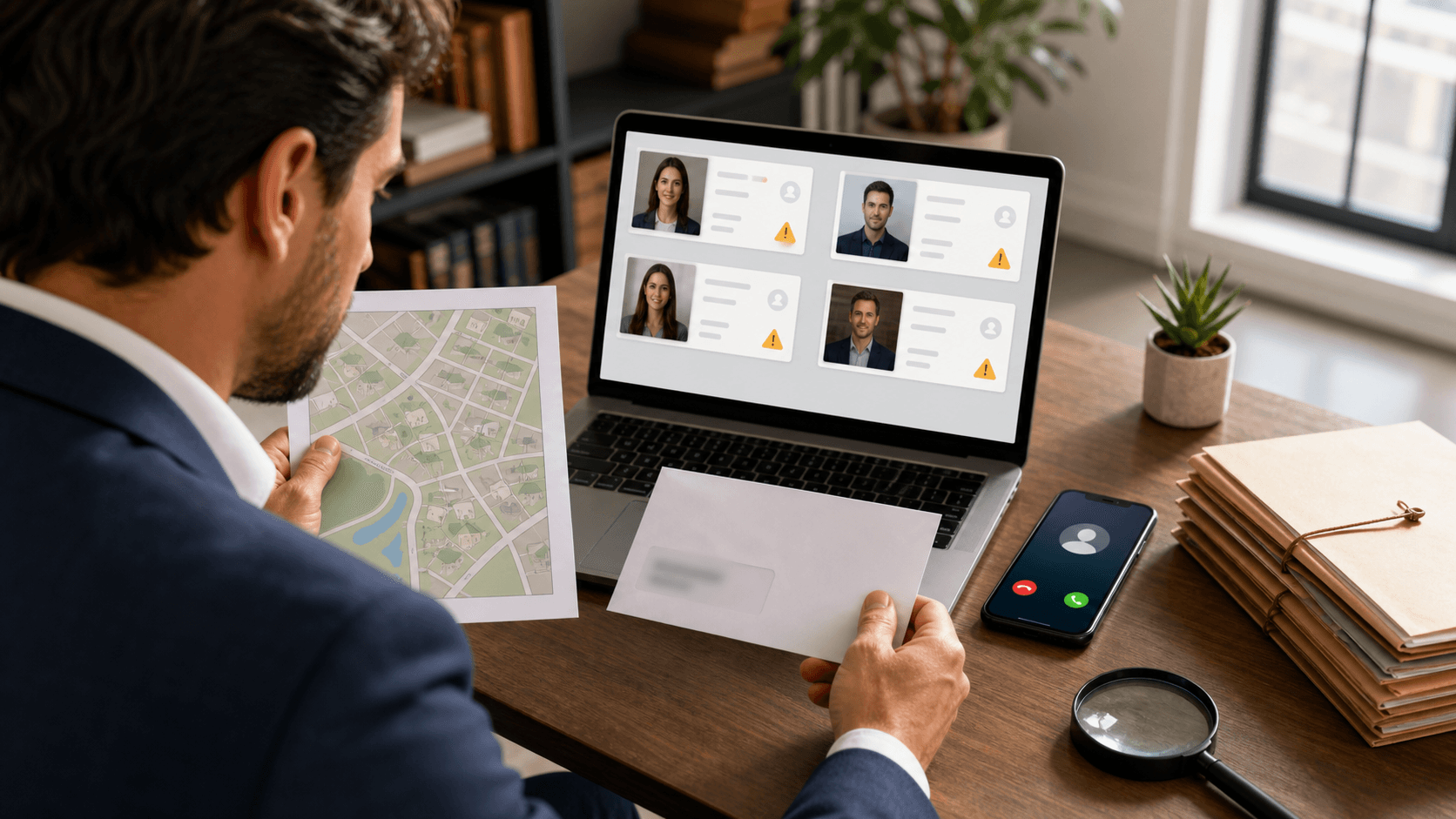
Think about a call about a delivery that needs a small "re-release fee." The caller might sound friendly and mention a package you are actually waiting on. Before pulling out a card, a quick reverse phone lookup can reveal that the number is tied to many reports about fake shipping fees. That 30-second check could keep your card number out of the wrong hands.
Or consider a tech support call that says your home computer is infected. They want remote access and a service payment. A lookup might show the number as a high-risk call center with many complaints, which can stop you from giving someone full control of your device.
Investment pitches work the same way. A voice talks fast about a limited-time offer, early spots, or special insider deals. If the number traces back to a known scam hotspot, or shows up in many complaints about fake investments, that is a clear sign to walk away.
These small checks add up over time. Avoiding a huge loss is important, but avoiding a stream of smaller hits like fake subscription renewals, false charity drives, and phony fees can protect your budget and your peace of mind.
Smarter Phone Habits That Keep You Safer Year-Round
Reverse phone lookup works best as part of a set of simple habits. None of them are hard, but together they make a big difference.
Some easy habits to build:
- Let unknown numbers go to voicemail first
- Search any suspicious number before calling back or replying to a text
- Never read off one-time codes or passwords over the phone
- Do not click payment links from random texts, even if the message looks urgent
It also helps to save real, trusted numbers in your contacts. When you store numbers for your bank, doctor, school, or delivery service, those calls will show up with names you recognize. New, unexpected numbers are then easier to spot and check.
On top of that, make use of the tools on your phone. Most devices and carriers let you block numbers, label them as spam, and turn on scam protection. When you report a bad number, you are not only protecting yourself, you are adding one more warning for the next person who gets that call.
Put Every Suspicious Call to the Test
We do not have to guess who is really on the other end of the line anymore. A reverse phone lookup gives us one more layer of facts before we decide to trust a caller. Instead of acting on fear or pressure, we can act on information.
At ReverseThatLookup, our goal is to make that quick check feel like second nature. The next time you see a strange missed call, get an urgent text about a "problem," or hear a voicemail that pushes you to move fast, pause for a moment. Run the number through a reverse phone lookup, see what comes up, and then decide what feels right. Season after season, from tax questions to summer travel plans, that one small habit can help keep your money, your data, and your peace of mind where they belong, with you.
Find Out Who's Really Behind That Phone Number Today
If you are tired of mystery calls and unanswered questions, our reverse phone lookup can help you quickly uncover who is trying to reach you. At ReverseThatLookup, we give you fast, straightforward insights so you can decide whether to respond, block, or follow up. Get started in just a few clicks, and if you have questions about results or need help with a specific search, simply contact us.
Frequently Asked Questions
What is a reverse phone lookup and what can it tell me?
A reverse phone lookup lets you enter a phone number to see what public details may be connected to it. Results can include the owner name when available, a general location, the carrier type like mobile or VoIP, and spam or fraud reports tied to that number.
How can a reverse phone lookup help me avoid phone scams?
It helps you verify whether the caller story matches the number behind it before you share money or personal information. If the number has many scam reports or does not fit the claimed organization, that is a strong sign to hang up and block it.
What are the most common phone scams that reverse phone lookup can catch?
Common scams include IRS or tax imposters, fake delivery or package problems, tech support fraud, student loan or scholarship offers that ask for upfront payments, romance or investment scams, and family emergency calls asking for quick cash. Many of these use urgency and payment demands to pressure you into acting fast.
How do I check an unknown number before calling back?
Copy the number exactly as it appeared and run it through a reverse phone lookup search. Review any scam or spam reports and check whether the carrier type and location make sense for the caller, then decide whether to call back, block, or report it.
What is the difference between Caller ID and reverse phone lookup?
Caller ID is what appears on your phone during the call, and it can be spoofed to look local or display a trusted company name. Reverse phone lookup checks the number against public information and complaint history, which can reveal red flags even when Caller ID looks normal.