Pre-Date Safety Checklist With Dating Site Username Searches and Reverse Lookups
Meeting someone from a dating app or website can be exciting, but it also comes with real-world safety risks. Many people wonder how to screen a date before meeting in person without going too far or giving up their own privacy.
This guide walks you through a clear, step-by-step pre-date safety routine. You will learn free ways to check basic information, when and how to add ReverseThatLookup tools, what those tools cannot tell you, and how to plan safer in-person meetings.
1. Start With Free, Low-Impact Online Checks
The goal of early screening is not to uncover every detail of someone's past. It is to confirm basic identity, spot obvious inconsistencies, and decide whether you feel comfortable meeting in public.
Begin with simple, free checks you can do in a few minutes:
1.1 Read Their Profile Carefully
- Look for big gaps or contradictions in their story (for example, different ages or cities mentioned in different sections).
- Notice if they avoid answering basic questions about work, schedule, or general location while still pushing hard to meet quickly.
1.2 Reverse Image Search Their Photos
- Use a reverse image search engine to check if their main profile photos appear under a different name or on unrelated sites.
- Be cautious if you find the same photos tied to different identities, or used in obvious scam or stock-photo contexts.
1.3 Review Public Social Media
- Search their dating username and first name on major platforms.
- Look for patterns of hate speech, threats, or extremely aggressive posts.
- Be aware that many people use nicknames or private profiles, so not finding anything is common and not a red flag by itself.
1.4 Run a Dating Site Username Search
- Type their dating handle into search engines and major platforms.
- A dating site username search may surface:
- Other public profiles using the same handle
- Old forum posts or comment histories
- Mentions on review or complaint sites
Limitations of free checks:
- Many people use common or shared usernames.
- Private accounts, nickname-only profiles, or limited social media use will leave few visible traces.
- Not finding information does not mean someone is honest or safe.
These free steps give you a broad picture without invading privacy or crossing legal or ethical lines.
2. Add ReverseThatLookup Tools After You Have Contact Details
Once you have a phone number, email address, or full name and are considering meeting in person, you can add reverse lookup tools as another layer of safety.
2.1 What ReverseThatLookup Can Show
Using ReverseThatLookup, a reverse phone or email search may surface publicly available information such as:
- General city or area associated with that number or email
- Possible age range
- Possible social or online profiles that appear to be tied to that contact
Comparing this with what your match has told you can help you:
- Confirm that a claimed city or region lines up with public data
- Notice repeated inconsistencies across username, phone, and email
- Spot potential impersonation or catfishing patterns
2.2 What ReverseThatLookup Cannot Do
It is important to be clear about limitations:
- Not every person or number will appear in results.
- Records can be incomplete, inaccurate, or outdated.
- No result ever guarantees that someone is safe, honest, or trustworthy.
- A single odd or unexpected result does not prove someone is dangerous.
ReverseThatLookup is for personal safety, identity verification, and informational purposes only. It cannot judge character, predict future behavior, or provide a complete picture of someone's background.
2.3 Legal and Ethical Use Only
ReverseThatLookup is not a consumer reporting agency and may not be used for employment, tenant screening, credit decisions, insurance decisions, or any other use regulated by the Fair Credit Reporting Act (FCRA). It must not be used to stalk, harass, intimidate, defame, or otherwise harm anyone, or to publish sensitive personal information.
Use lookup results as one input in your decision-making, not as the sole basis for high-stakes conclusions about someone.
3. Choose a Safer Time and Place for Your First Meeting
Once you feel reasonably comfortable moving forward, your next task is to choose where and when to meet.
3.1 Select a Neutral Public Location
For first in-person meetings, it is usually safer to pick a busy, neutral public spot such as:
- Coffee shops
- Casual restaurants
- Well-trafficked daytime activities in public spaces
These locations offer:
- Other people and staff nearby
- Multiple exits
- Easier access to transportation
If You Choose Outdoor Options Like Patios, Festivals, or Parks:
- Decide on an exact meeting point (for example, a main entrance or a well-known landmark).
- Identify a quieter or more open area you can move to if the space feels chaotic.
- Note simple exit routes so you do not feel trapped in a crowd.
3.2 Research the Venue Briefly
Before Agreeing On a Location
- Read public reviews for comments about lighting, safety, and general environment.
- Check whether the area has good lighting and foot traffic at the time you plan to meet.
- Look for nearby open businesses, not just one isolated bar or venue.
- Confirm that ride shares, taxis, or public transit are easy to access.
3.3 Pick a Time That Maximizes Options
- Daylight or early evening often means more people around and more transport choices.
- Give yourself a natural end point (for example, tell your match you have an early morning) so you can leave without pressure.
3.4 Protect Your Home Address
For early dates, consider a personal rule: no home pickups and no home visits.
- Do not have your date pick you up at your residence.
- Avoid giving out your exact address until you have had several positive, safe interactions.
4. Plan Transportation, Check-Ins, and Exit Options
Real-world safety also depends on how you arrive, how you leave, and how you prepare for emergencies.
4.1 Control Your Own Transportation
For at least the first few meetings, arrange your own way there and back.
Options and considerations:
- Your own car:
- Park in a well-lit, busy area.
- Avoid pointing out your exact unit or house if you drive from home.
- Rideshare:
- Confirm the car model, license plate, and driver name before getting in.
- Sit in the back seat and keep your belongings close.
- Use built-in app safety tools like trip sharing when available.
- Public transit:
- Plan your route in advance.
- Check the last train or bus time.
- Have a backup plan such as a rideshare or a trusted friend.
If your date suggests a separate driver or friend will pick you up and you are uncertain, you may use a reverse phone lookup to see whether the number appears tied to something clearly inconsistent with what you were told. However, lookup tools cannot screen professional drivers or replace official app-based safety features. Prioritize the safety options provided by legitimate ride and transport services.
4.2 Tell Someone You Trust
Before you go out, share basic details with a trusted contact:
- Who you are meeting (first name and which app or site you met on)
- Where you are meeting
- What time you expect to arrive and leave
- How you plan to get there and home
- How and when you will check in
4.3 Use Your Phone as a Safety Tool
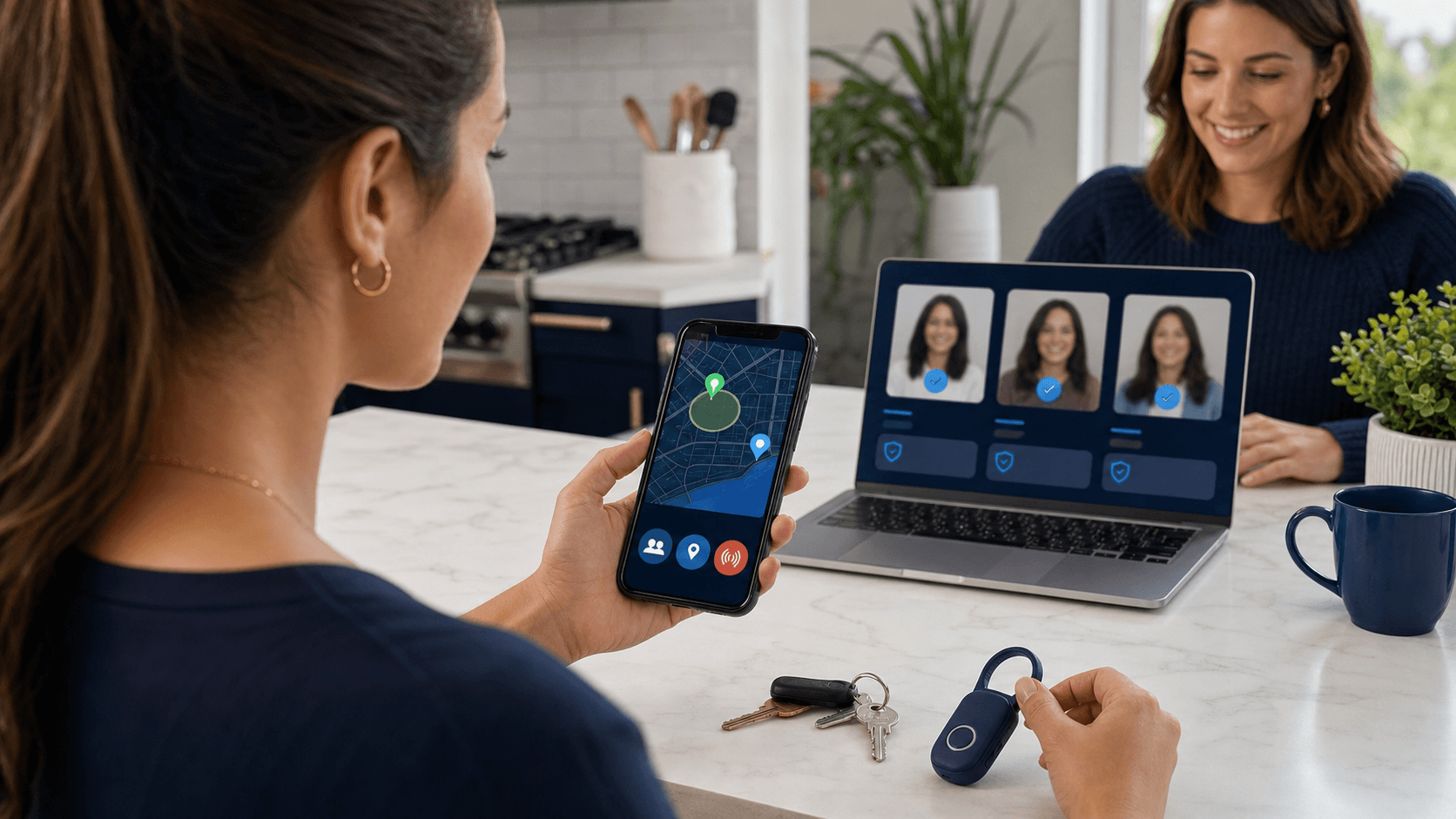
- Share your live location with a trusted friend when possible.
- Set specific check-in times (for example, when you arrive, halfway through, and when you head home).
- Start the evening with a fully charged phone and, if you can, bring a small portable charger.
4.4 Set Up Silent Safety Signals
Agree on simple code messages with your trusted contact before the date, such as:
- Code 1: "Everything is fine, just checking in."
- Code 2: "I am uncomfortable and want an excuse to leave, but I am not in immediate danger."
- Code 3: "I feel unsafe and need urgent help."
Clarify what each code means and what your contact should do, especially for the highest alert (for example, call you immediately, contact the venue, or call emergency services if you do not respond).
4.5 Plan Your Physical Exit
- Choose a seat where you can see the main entrance and exit without squeezing past your date.
- Avoid first dates that involve long drives, remote cabins, or isolated locations.
- Remind yourself that you can leave at any time, even if you cannot fully explain why you feel uncomfortable.
If something feels off but not dangerous, you can:
- Shorten the date politely.
- Move to a busier area or closer to staff.
- Say you need to go and decide later whether to schedule another meeting.
If you feel in immediate danger:
- Go directly to staff, security, or a well-lit public area.
- Call emergency services and stay in a public place until you feel safe.
No online check, including a dating site username search or reverse lookup, can reliably predict how someone will act in person. Real-time boundaries and exit plans are essential.
5. Use Reverse Lookups Ethically as One Layer of Your Routine
ReverseThatLookup brings together publicly available information connected to phone numbers, email addresses, names, addresses, or usernames. Used appropriately, it can support, never replace, your real-world safety decisions.
5.1 Practical, Ethical Use Cases
Many People Use Reverse Lookups in Ways Such as:
- After exchanging phone numbers, checking whether the general location and possible name are consistent with what their match said.
- When stories seem inconsistent, running more than one lookup (for example, username plus email) to see if there is a pattern suggesting impersonation or catfishing.
- If they suspect a scam, scanning for obvious scam reports or clearly fake profiles tied to the same phone or email.
5.2 Clear Boundaries and Prohibited Uses
ReverseThatLookup results are for personal safety, identity verification, and general information only. They should not be used to:
- Stalk, track, or follow anyone offline
- Harass, threaten, or intimidate a person
- Spread gossip, defame, or attempt to "punish" someone
- Publish sensitive personal details (such as addresses) to the public
ReverseThatLookup is not a consumer reporting agency and may not be used to make decisions about:
- Employment or hiring
- Tenant or rental applications
- Credit approval
- Insurance eligibility or pricing
- Any other FCRA-regulated purpose
Always follow local laws and platform rules. When in doubt, err on the side of privacy, consent, and safety.
6. Quick Pre-Date Safety Questions and Answers
6.1 Can I stay private and still screen a date?
Yes. You can:
- Share only your first name initially.
- Meet in public locations.
- Avoid sharing your home address or workplace early on.
- Use a dating site username search or reverse lookup only after you have a handle, phone, or email you chose to share.
6.2 Does running checks make me paranoid?
Basic verification is increasingly common and reasonable. Many people expect light screening and see it as a sign that you take safety seriously. If someone reacts with anger or hostility to reasonable, legal checks, that response can be a warning sign.
6.3 When should I cancel a date based on what I find?
Consider canceling if:
- They refuse to meet in public and push aggressively for a home visit.
- They will not share any verifiable detail (such as a first name, city, or basic workplace field) while still insisting on meeting.
- There are major mismatches between their claims and what you can clearly see in public profiles or basic lookup results.
Remember, choosing not to meet is always your choice. You do not need proof to decide a situation does not feel right for you.
6.4 What if I feel unsafe after a date?
If you feel unsafe or deeply uncomfortable:
- Block them on the app and on your phone if you wish.
- Save relevant messages or screenshots in case you need them later.
- Tell trusted friends what happened.
- Consider reporting the account to the app or website and, when appropriate, contact local law enforcement or a local support organization.
7. Build a Simple, Repeatable Pre-Date Safety Routine
The easiest way to make pre-date safety manageable is to use the same routine each time.
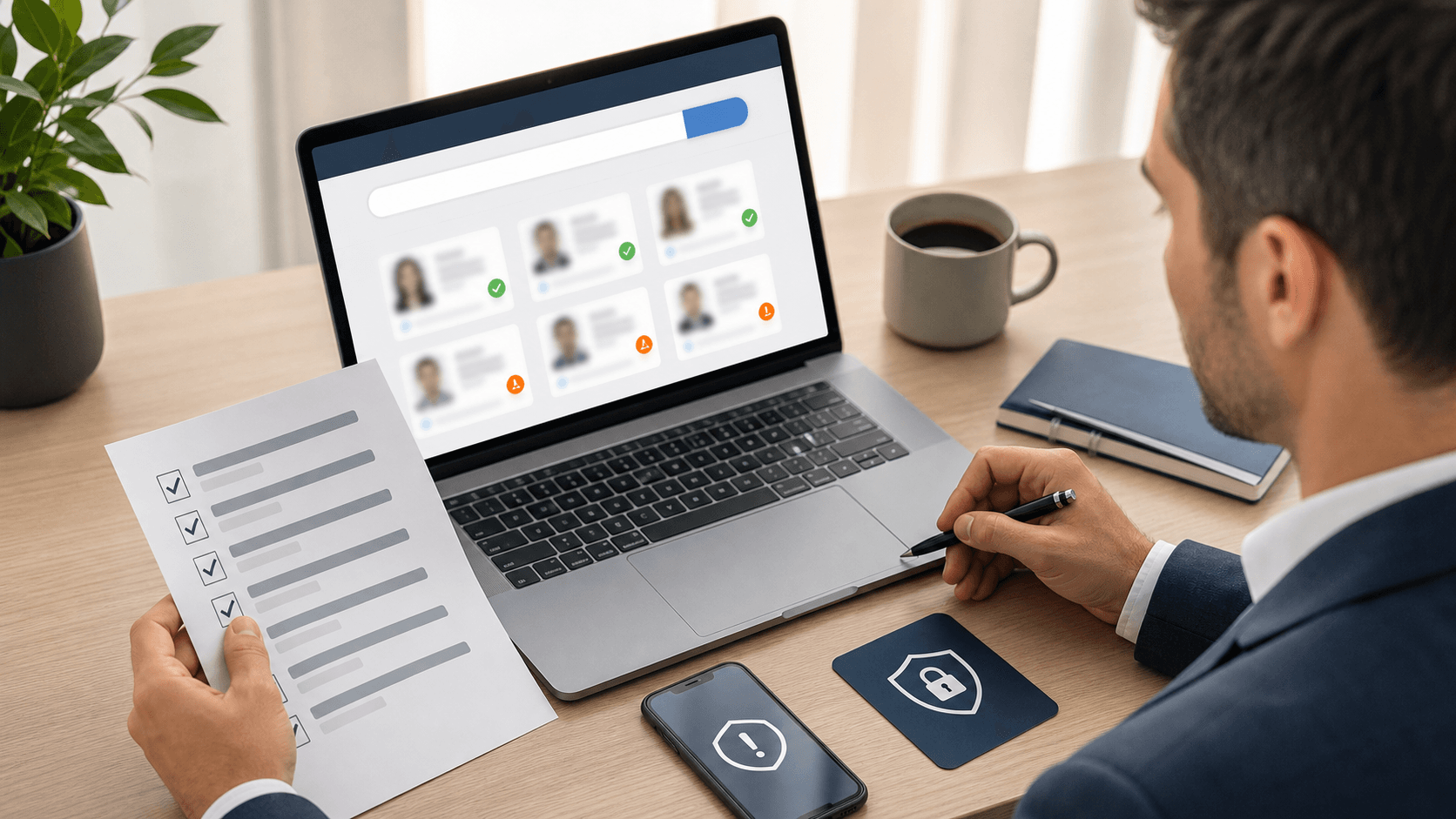
A sample checklist could include:
- Step 1: Light screening
- Read the dating profile slowly.
- Reverse image search key photos.
- Run a dating site username search and basic social search.
- Step 2: Optional reverse lookup
- If you have a phone or email and feel it is appropriate, use ReverseThatLookup to cross-check general location and obvious inconsistencies.
- Step 3: Meeting plan
- Choose a public venue with good lighting and exits.
- Set a specific time and a clear end point.
- Step 4: Transportation and communication
- Arrange your own ride there and back.
- Share your plans and live location with a trusted contact.
- Agree on code words or signals.
- Step 5: Boundaries and exit strategies
- Decide in advance that you can leave for any reason.
- Sit where you can see the door.
- Avoid sharing your home address until you feel safe and comfortable.
No single step can remove all risk. Safety comes from layering reasonable checks, careful planning, and listening to your instincts.
Summary: The Safest Next Step
Before your next first date, take a few extra minutes to follow a clear pre-date safety routine: run basic free checks, consider a responsible ReverseThatLookup search once you have contact details, choose a public location, control your transportation, and set up check-ins with someone you trust. Use lookup tools only as one layer of information, stay within legal and ethical boundaries, and be prepared to walk away if anything feels wrong. Your comfort and safety are more important than any single date.
Take Control Of Your Online Dating Safety Today
If you are unsure who is really behind that profile, our team at ReverseThatLookup is ready to help you verify the details. Use our dating site username search to uncover key information before you decide to meet or share personal data. We focus on making the process straightforward, discreet, and fast so you can make smarter choices. If you have questions or need extra help, just contact us.